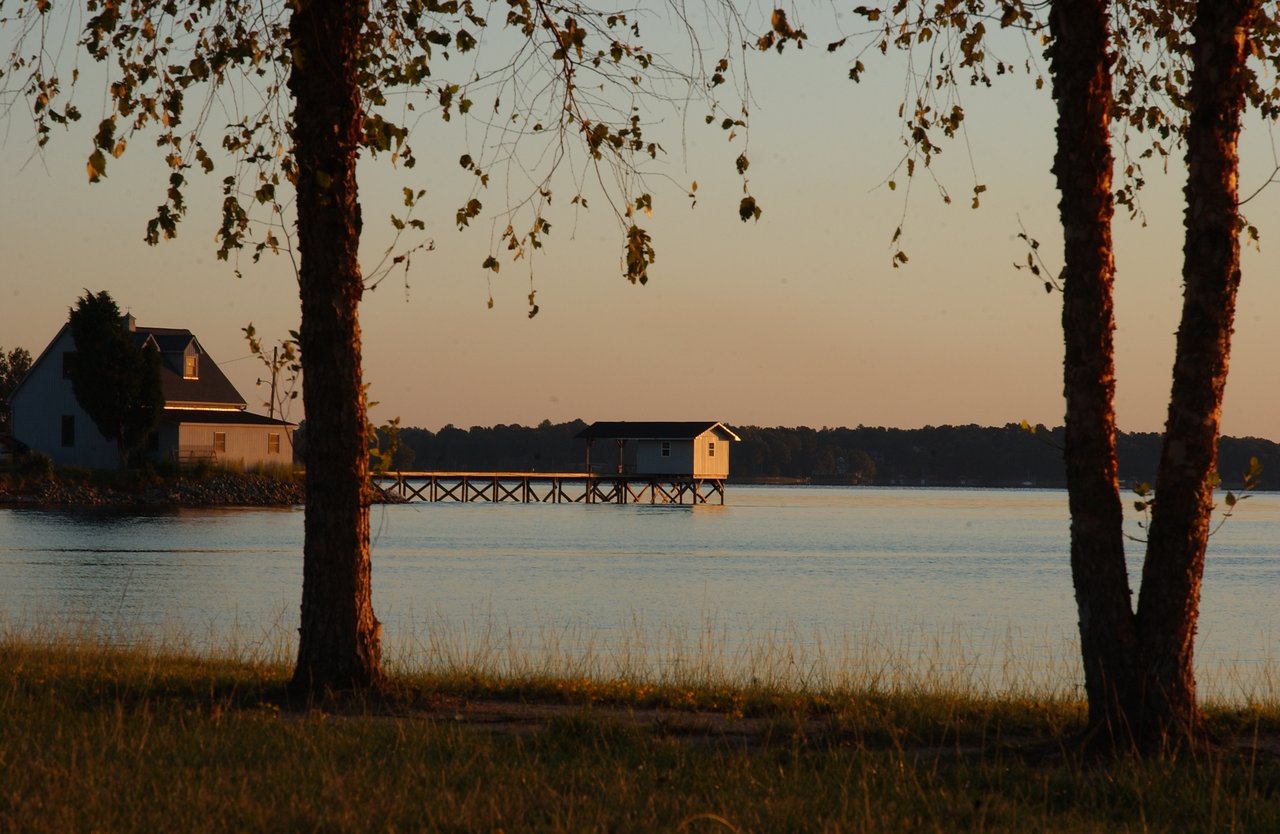
Dreaming about lakefront living in Mooresville? It is easy to picture the views, the dock, and the weekend boat rides. But buying or selling near Lake Norman involves more than curb appeal. If you want to make a smart move, you need to understand access rights, shoreline rules, maintenance, and how each type of lake-adjacent property can affect value. Let’s dive in.
Why Mooresville Lake Living Stands Out
Mooresville’s lake lifestyle is closely tied to Lake Norman, which Iredell County describes as the nation’s largest manmade lake by surface area, with about 520 miles of shoreline extending into the county’s southwest portion. That scale creates a wide range of property types, from true waterfront homes to water-view and near-lake options. In other words, “lake living” can mean very different things depending on the parcel itself.
For many buyers, that variety is part of the appeal. You may want direct shoreline access and a private dock, or you may prefer a home near the lake with easier upkeep and access to public recreation. Understanding those differences early can help you focus your search and avoid surprises.
What “Lakefront” Really Means
Not every home near Lake Norman offers the same rights or experience. In Mooresville, direct public access to the waterfront within the planning area is only available to private landowners, according to the OneMooresville Comprehensive Plan. That makes true waterfront ownership especially distinct.
If you are comparing homes, it helps to separate them into a few broad categories:
- True waterfront: a parcel with direct shoreline access tied to the property
- Water-view: a home with lake views but not direct access to the shoreline
- Cove property: a waterfront setting that may offer a different shoreline shape, view, or boating experience
- Near-lake: a home close to the water that relies more on surrounding amenities than private shoreline use
That difference matters because the value is often tied not just to proximity, but to the actual right to use the shoreline.
Why Access Rights Matter So Much
Lake access in Mooresville is not simply a nice extra. It is a property feature tied to a specific parcel. That means two homes that look similar on paper can offer very different lifestyles depending on whether the owner has direct waterfront rights.
This also helps explain why waterfront homes often command a premium. Research cited by Zillow found that waterfront homes tend to earn stronger premiums where water access is limited, including lake markets. In a place like Mooresville, where private access is tied to ownership, that scarcity can play a meaningful role in value.
Docks and Shoreline Rules to Know
One of the biggest surprises for lakefront buyers is that shoreline changes are regulated. On Duke Energy lakes, work involving piers, docks, dredging, shoreline stabilization, or changes to shoreline property should be cleared with Duke Energy Lake Services before work begins. Contractors using Duke-owned access areas may also need a separate access-area use permit.
That means you should not assume an existing dock can be expanded, replaced, or altered without review. If a home’s shoreline setup is a major part of your buying decision, it is wise to confirm the permit history and understand what has already been approved.
Maintenance Is Part of the Lifestyle
Lakefront living can be beautiful, but it is also more hands-on than many buyers expect. Shoreline conditions, dock upkeep, water exposure, and property maintenance can all affect your day-to-day experience. A gorgeous view may come with more upkeep than a near-lake home on a simpler lot.
Iredell County’s Building Standards Division also notes pier permits mandated by Duke Energy and links septic setback guidelines. For some properties, especially those with onsite systems, your due diligence may need to include county requirements, Duke permissions, and environmental-health review.
Septic, Wells, and Site-Specific Details
For many lakefront properties, the due-diligence process extends beyond the house itself. Iredell County environmental-health forms cover new septic systems, existing septic inspections, repairs, and well applications. That matters because the usability of the lot can depend on what is already approved and how the site functions.
If you are buying, these are not minor details. Septic setbacks, repair history, and well documentation can affect renovation plans, additions, and long-term maintenance. If you are selling, having those records organized can make your home easier for buyers to evaluate.
Flood Zones and Insurance Considerations
Waterfront value is not only about views and access. It is also about risk. According to FEMA, homes in high-risk flood areas with government-backed mortgages are required to carry flood insurance, and National Flood Insurance Program policies typically have a waiting period.
That makes flood-zone verification an important part of your planning. For buyers, it can affect monthly costs and long-term budgeting. For sellers, understanding flood exposure upfront can help you prepare for buyer questions and document the property more clearly.
Public Recreation Around Lake Norman
Owning on the water is one version of the Lake Norman lifestyle, but it is not the only one. Lake Norman State Park offers hiking, mountain biking, paddling, swimming, fishing, camping, beach access, a boat ramp, and boat rentals. That larger recreation network can make near-lake and water-view homes especially appealing for buyers who want the setting without the full waterfront maintenance load.
Mooresville also emphasizes parks, trails, and greenway connectivity in its planning documents, including the Dye Creek Greenway. So if your goal is to enjoy the lake area regularly, a home without direct shoreline rights may still support the lifestyle you want.
Safety and Lake Oversight
Another important point for buyers is that Lake Norman operates in a managed environment. The Lake Norman Marine Commission reviews variance requests and site plans and supports navigational aids and water-safety programs. Iredell County’s Lake Enforcement Unit also monitors boat traffic, enforces wake-zone and boating rules, and offers boater-safety classes.
That level of oversight can be helpful when you are evaluating the lake lifestyle. It means there are systems in place that shape how the lake is used, maintained, and monitored.
How to Evaluate a Lakefront Home
If you are buying in Mooresville, it helps to think beyond the listing photos. A well-positioned lakefront purchase is usually one where the home, shoreline, and documentation all support the way you want to use the property.
Focus on questions like these:
- Do you have direct shoreline rights, or only a view?
- Is there a dock or pier, and is its permit history clear?
- What are the septic or well requirements for the property?
- Is the home in a flood-risk area?
- How much shoreline and exterior maintenance will the parcel require?
- Does the property support your intended use, such as boating, relaxing, or lower-maintenance living?
These questions can help you compare homes more accurately, especially when two properties appear similar at first glance.
What Sellers Can Do Before Listing
If you are selling a lakefront or lake-adjacent property in Mooresville, documentation matters. Duke Energy provides buyer and seller guidance for lake property through its lake services resources, which underscores how important clean records can be in a waterfront transaction.
Before listing, it may help to gather:
- Dock or pier permit records
- Shoreline improvement documentation
- Septic or well records, if applicable
- Any available flood-zone information
- Clear details about access, use, and maintenance responsibilities
For many buyers, confidence comes from clarity. Strong preparation can reduce friction during due diligence and help your property stand out for the right reasons.
Finding the Right Fit in Mooresville
The best lake home is not always the one with the biggest view or the longest shoreline. It is the one that matches how you actually want to live. For some buyers, that means direct waterfront ownership and private lake use. For others, it means a near-lake home with access to parks, trails, and a simpler maintenance routine.
In Mooresville, lakefront living is both exciting and highly specific. When you understand access rights, permit requirements, flood considerations, and site conditions, you can move forward with more confidence and fewer surprises.
If you are thinking about buying or selling near Lake Norman, Judy Robertson Homes is here to help you navigate the details with trust, knowledge, and care.
FAQs
What does lakefront living in Mooresville really mean?
- In Mooresville, true lakefront living usually means a property has direct shoreline access tied to the parcel, not just a view or close proximity to Lake Norman.
What should buyers check before purchasing a waterfront home in Mooresville?
- Buyers should review shoreline access rights, dock or pier permit history, septic or well requirements, flood-zone status, and expected maintenance needs.
Are docks and shoreline changes regulated on Lake Norman in Mooresville?
- Yes. Duke Energy says changes to docks, piers, dredging, shoreline stabilization, and other shoreline work should be cleared with Lake Services before work begins.
Does every home near Lake Norman in Mooresville have water access?
- No. Some homes are true waterfront, while others may be water-view or near-lake properties without direct shoreline rights.
Is flood insurance important for Mooresville lakefront homes?
- Yes. FEMA says homes in high-risk flood areas with government-backed mortgages must carry flood insurance, so flood-zone verification is an important step in due diligence.
Can you enjoy the Lake Norman lifestyle without owning waterfront property in Mooresville?
- Yes. Public amenities such as Lake Norman State Park offer boating, paddling, hiking, swimming, fishing, and other recreation that support a lake-focused lifestyle without private shoreline ownership.